Growing Up in Agriculture
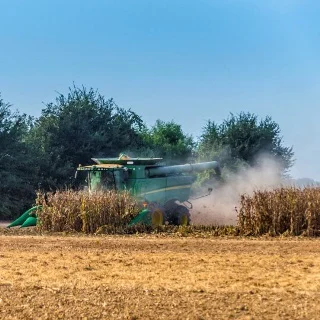
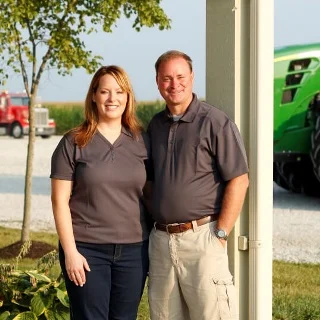
For many farmers, a career in agriculture begins long before they own their first acre or make their first business decision. It starts through experiences shared across generations, learning lessons from parents and grandparents, and developing an appreciation for the hard work required to care for livestock and steward the land. Brent's story reflects that tradition. After spending years working alongside his father and grandfather, he developed a passion for agriculture that ultimately led him to pursue farming as a career.
The values passed down through those early experiences continue to influence the way he operates today, reinforcing the importance of responsibility, stewardship and long-term planning.
Carrying a Family Legacy Forward
Transitioning a farm from one generation to the next involves more than transferring land and equipment. It means preserving a heritage, continuing traditions and building on the work of those who came before.
Today, Brent continues that legacy through a full-circle livestock operation and a commitment to leaving the farm better than he found it. That mindset reflects a goal shared by many farm families: creating opportunities for future generations while protecting the resources that support the operation.
Agriculture is often measured in decades rather than seasons, and decisions made today can influence the success of a farm for years to come. By focusing on long-term stewardship, producers can help ensure the farm remains productive and sustainable for future generations.
Stewardship Beyond the Present
Farmers serve as caretakers of the land, livestock and natural resources entrusted to them. Across generations, many producers share the belief that the farm should be passed on in better condition than it was received.
That philosophy guides decisions regarding conservation, livestock management and investment in the operation. For family farms, stewardship is about balancing today's needs with tomorrow's opportunities and maintaining a strong foundation for those who may one day continue the family tradition.
Lending Built Around Agriculture
Agriculture doesn't operate on a traditional schedule. Farmers often spend their days moving between fields, livestock facilities and other responsibilities that leave little time for trips to a lender's office.
As a member-owner of the cooperative, Brent values a banking relationship designed around the realities of agriculture. As he explains in the video, Farm Credit Mid-America has provided the support and accessibility he needs without requiring him to leave the farm to conduct business.
That flexibility allows producers to spend more time focused on their operations while maintaining access to financial expertise and guidance when important decisions arise.
Looking Toward the Next Generation
One of the most rewarding aspects of farming is watching the next generation develop an interest in agriculture. Whether that involvement begins through helping with chores, caring for livestock or riding alongside a parent during daily activities, these experiences often become the foundation for future agricultural careers.
Today, Brent is beginning to see that process unfold with his own children. Seeing them take an interest in the farm provides a reminder that the legacy of agriculture is built one generation at a time.
For many farm families, success is measured not only by the operation's performance today, but also by the opportunities created for those who may choose to continue farming tomorrow.
Preserving Agriculture's Future Through Family Farming
The story of Brent highlights the enduring role family farms play in agriculture. Through hard work, stewardship and a commitment to future generations, producers across rural America continue building on legacies established decades earlier.
By supporting customers through every stage of their journey, from growth and expansion to succession and transition planning, Farm Credit Mid-America remains committed to helping family farms pursue their goals and carry their agricultural legacies forward.