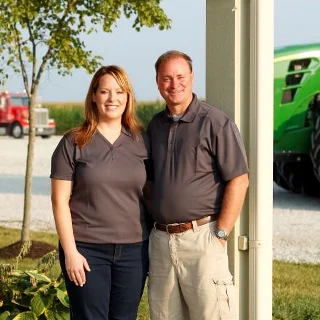
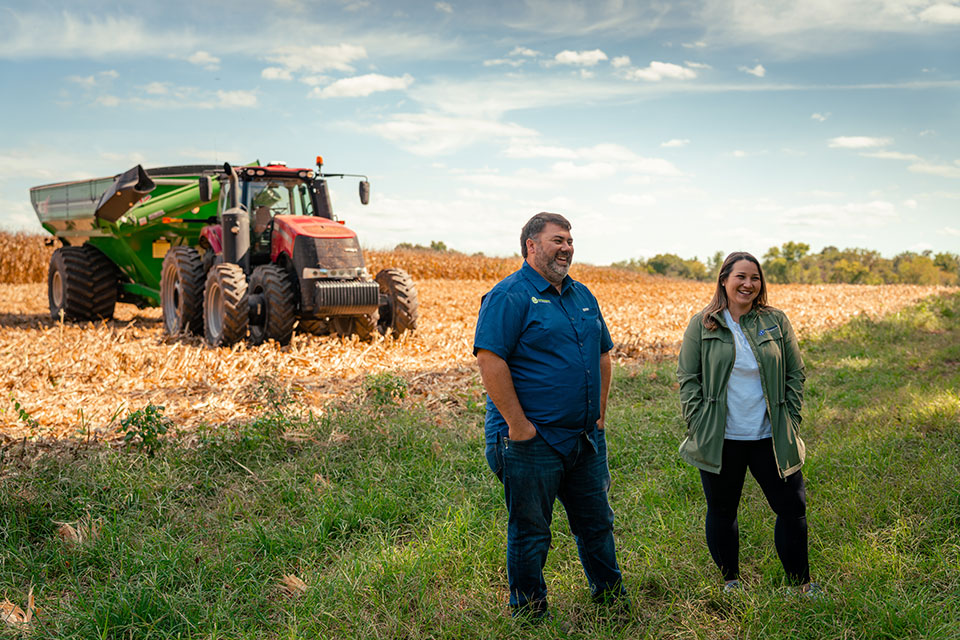
For Glen, the future of his family’s nearly century-old agricultural legacy isn’t being left to chance; it’s being engineered through a deliberate blend of strategic expansion and proactive succession planning.
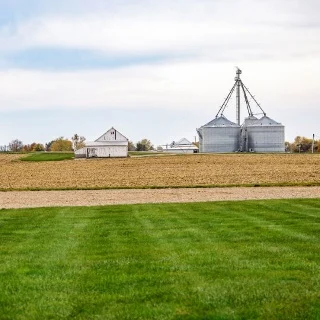
Since its start as a 301-acre tract in 1932, this middle Tennessee farm has evolved into a sophisticated 4,000-acre operation. As urban sprawl from Nashville transformed neighboring fields into subdivisions, the family had to adapt or disappear.
Establishing Strategic Shifts
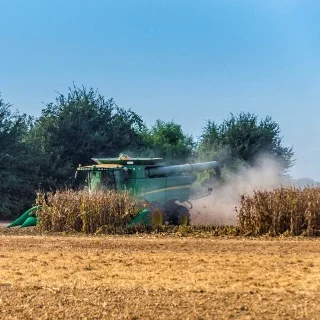
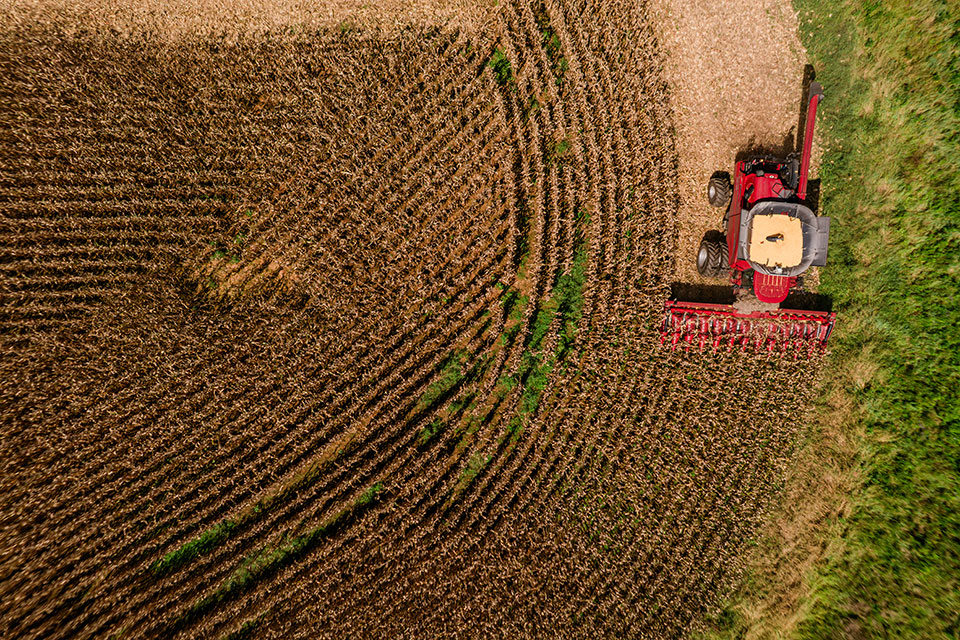
Facing the rapid growth of the county, Glen expanded the operation south, establishing new grain facilities. This move allowed the farm to transition from a wide range of diversification like dairy and orchards, to a streamlined focus on row crops including corn, soybeans, wheat and commercial hay.
Working Smarter, Not Harder
While Glen’s generation was defined by what he calls sweat equity, his children, Will and Emily, are ushering in what they’re calling a “work smarter” era. Leveraging modern technology and efficient equipment, the siblings manage the 4,000-acre operation with a lean but highly productive workforce.
“My kids watch what makes money and what doesn’t,” Glen said. “They’re working smart.”
The Art of Succession Planning
Succession planning for family operations can be a notoriously lengthy and involved process, yet Glen, Will and Emily have treated it as a core business strategy. Glen began the process years ago, slowly transferring day-to-day management to Will, who returned in 2012, and Emily, who joined him five years ago.
By finalizing inheritance and management shifts while he’s still active, Glen ensures the farm won’t face the chaos of a sudden leadership absence.
Having a succession plan in place makes you feel a lot better. I know that I won’t be worrying about what’s going to happen on the farm one day. I know it’s in good hands.
“I’m at the bottom of the last quarter and my fuel light’s coming on,” Glen shared. “I have confidence they’ll be successful. The farm is part of my heart, but I can lay down at night and not worry because of them.”
The Power of Partnership
The family credits Farm Credit Mid-America as a vital partner in their success. From financing the purchase of land from developers to providing financial solutions for unique projects, the partnership has provided the consistency needed to navigate market shifts. Glen said, “We work with so many different partners. I can say that Farm Credit Mid-America has been just as important to this operation as combines, planters and tractors.”
Emily notes that cooperative benefits like the Patronage† Program, where eligible customers receive a portion of their earnings, based on their contribution to the Association’s total net interest income and origination fees, help offset interest costs. This reinforces the farm’s financial sustainability for both the present and future. “Patronage is really special. It softens the blow when you have to pay interest. You get your money’s worth from Farm Credit Mid-America,” she said.
A Village Effort
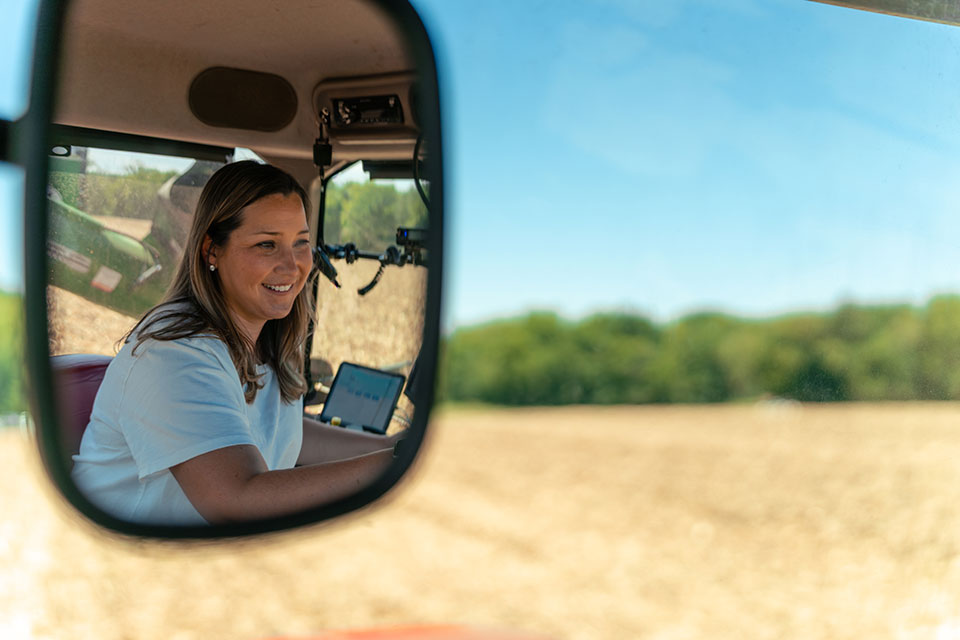
Beyond the books, the farm remains a family anchor. The family credits Emily as the glue that holds the operation together, managing everything from office logistics to grain marketing, while Will analyzes market threats and opportunities.
For the Middle Tennessee family, the goal is simple: ensure the next generation — including Will’s seven-year-old son, who already has his eyes on the grain cart — has a viable business to inherit.
“Farmers are the lifeblood of rural America,” Will said. “We’re trying to run a sustainable business, so the next generation has a viable opportunity to pick up where we leave off.”
Learn more about how Farm Credit Mid-America can help you evolve your operation.
† Patronage is an annual decision made by the Board of Directors to return earnings to eligible customers. To learn more about patronage or patronage eligibility, please visit our Patronage page.