
Balance Sheets 101: Everything You Need to Know
Understand what you own, what you owe and what’s possible for your operation.
Test Your Knowledge
Why Your Balance Sheet Matters More Than You Think
Your balance sheet isn’t just paperwork—it’s your farm’s financial report card. It gives you a clear snapshot of your operation’s health and helps you make smarter decisions for the future. Here’s why it’s essential:
- See the Big Picture: Know your overall financial position at a glance.
- Stay Loan-Ready: A strong balance sheet builds credibility with your lender.
- Plan with Confidence: Make informed choices about acquiring new land and equipment.
- Avoid Surprises: Stay on top of repayment ability and cash flow.
- Spot Opportunities: Identify areas to strengthen before making big moves.
Balance Sheet Worksheet
Want a clearer picture of what a farm balance sheet really shows?
Start with a real-world example. Our easy-to-read sample balance sheet, paired with a straightforward glossary of terms, helps you:
- Make Sense of the Numbers: See how assets, liabilities and equity come together in a complete, real-life financial snapshot.
- Understand Key Terms Quickly: Use the glossary to decode financial language with no accounting background required.
- Learn How Lenders Interpret Financials: Get insight into what your lender looks for when reviewing a balance sheet.
- Build Confidence in Your Financial Knowledge: Familiarize yourself with the structure and meaning behind each section so you can talk about your operation’s financial health with ease.
Download the example balance sheet and glossary to better understand how farm financials work and what they can reveal about your operation.
Take a Closer Look at a Real Balance Sheet
Understanding your financials starts with seeing how the pieces fit together. Explore our free example balance sheet and glossary to learn what each section means and how lenders interpret those numbers.
Watch & Learn
If no videos are displaying, temporarily “Allow All” cookies via the “Cookie Preferences” link in the footer.
Part 1
Part 2
Part 3
Part 4
Test Your Balance Sheet Knowledge!
Ready to Play?
This game is for educational purposes only and is designed to help users build a basic understanding of balance sheet concepts. It does not constitute financial advice, accounting certification, or professional training. Ledger Lane Farms is a fictional setting created to make learning more engaging. Asset and liability amounts may not accurately represent current costs or asset worth. Real-world financial decisions should be made with the help of a qualified accountant or financial advisor.
Balance Sheet Ratios and Terminology
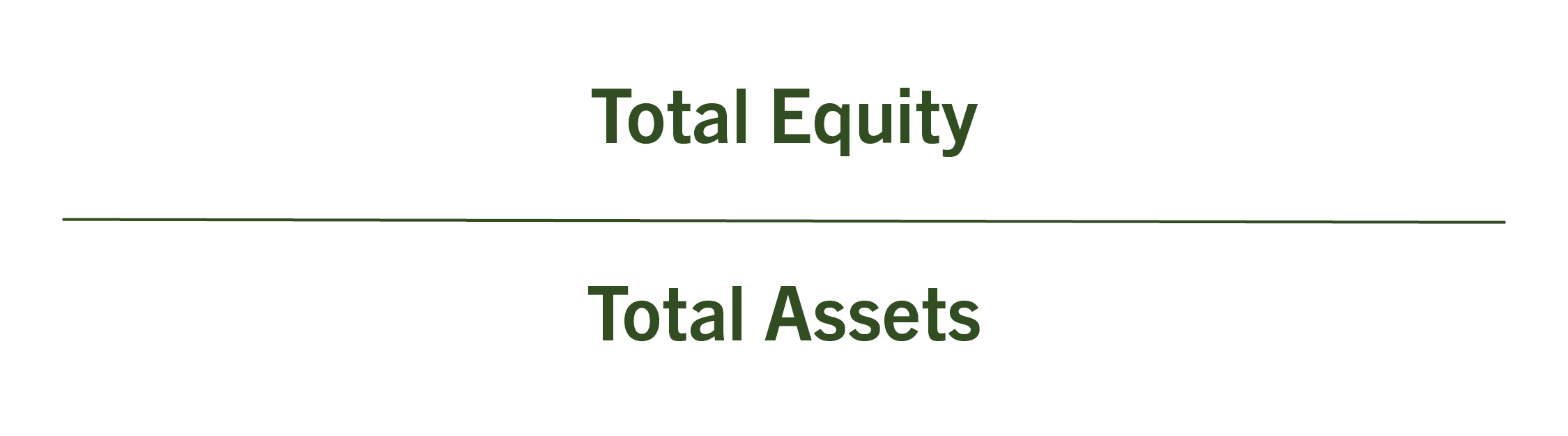
Equity Asset Ratio
Shows your solvency, which is how much of your operation you truly own.
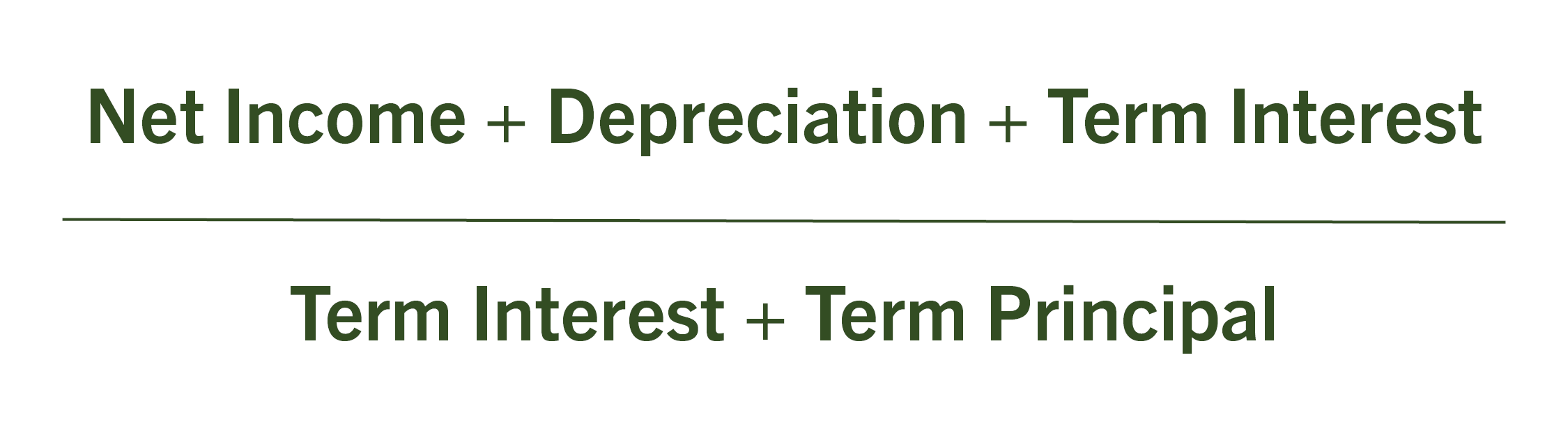
Debt Coverage Ratio (DCR)
Indicates how much you have left over after your debts are paid for the year.
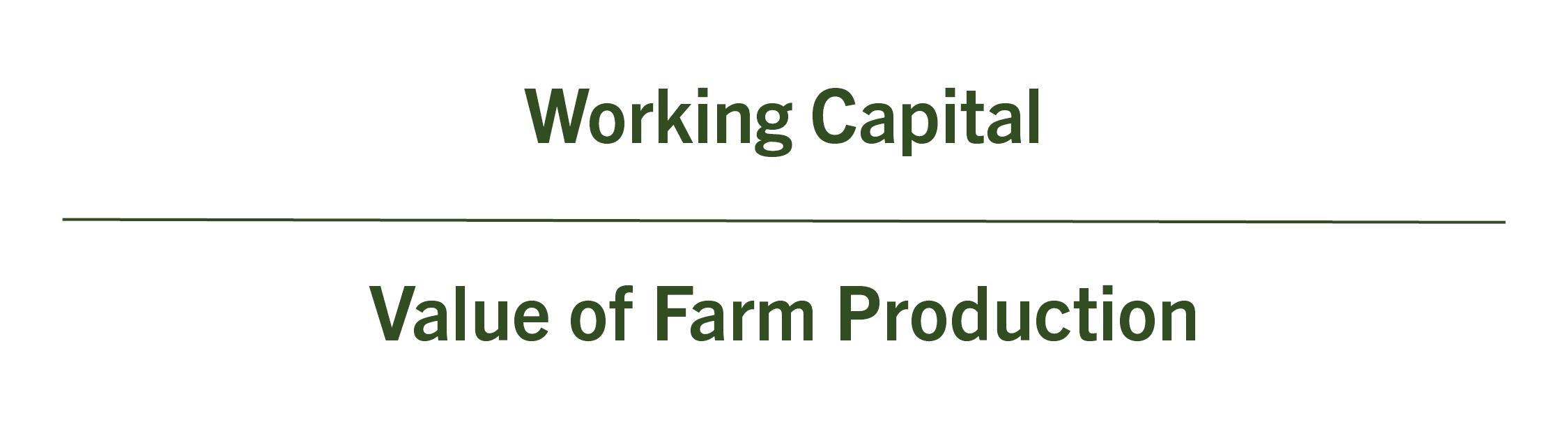
Working Capital to Value of Farm Production Ratio
Measures your liquidity relative to your farm size.
Gross Farm Income (GFI)
The total income your operation earns before any expenses are deducted.
Liquidity
Measures your working capital capital to value of farm production or GFI relative to farm size.
Value of Farm Production (VFP)
For most grain farmers, VFP will be their GFI. For cattle farmers, VFP will be GFI minus feed costs and purchases for reasale.
From Our Customers

My balance sheet is like a snapshot of my farm on paper, what I own, what I owe and where I stand. Reviewing it with my Financial Officers keeps us aligned and makes the numbers simple.
Jamen
Indiana
.tmb-0.jpg?Culture=en&sfvrsn=8b902724_2)
I pushed to align our balance sheet with Farm Credit Mid-America's format, because that's what they are looking at. Being on the same page makes borrowing easier.
Cali
Kentucky
.tmb-0.jpg?Culture=en&sfvrsn=49a7b476_2)
Traditional banks didn’t understand how farms or balance sheets work—but Farm Credit Mid-America did. They know the realities of farming and helped me get the financing I needed.
Dave
Ohio
Learn More About Balance Sheets
.tmb-feature.jpg?sfvrsn=e07d1181_2)
* Loans and leases are subject to credit approval and eligibility. Additional terms and conditions may apply. Farm Credit Mid-America is an equal opportunity lender.
Farm Credit Mid-America territory includes Arkansas, Indiana, Kentucky, Missouri, Ohio and Tennessee. Arkansas includes Clay, Craighead, Crittenden, Cross, Desha (northeast of the White River), Greene, Lee, Mississippi, Phillips, Poinsett, and St. Francis counties. Missouri includes Carter, Ripley and Wayne counties. Kentucky excludes Ballard, Calloway, Carlisle, Fulton, Graves, Hickman, Marshall and McCracken counties. Ohio excludes Crawford, Hancock, Lucas, Marion, Ottawa, Sandusky, Seneca, Wood and Wyandot counties. We serve all counties in Indiana and Tennessee.
You May Be Interested In
Agricultural Loans
A range of loans designed with your operation in mind.
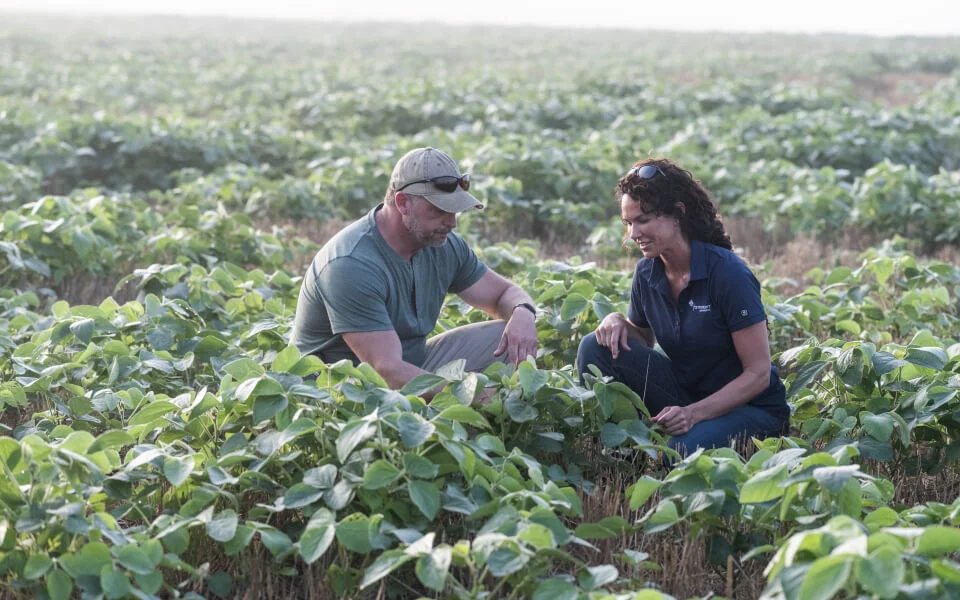
Insurance
We specialize in crop, livestock and dairy insurance.‡
Specialized Financing
Specialized lending solutions for large-scale food and agribusinesses.
Services
Smart solutions help get more done.
