Farming is unlike any other business. Revenue often follows seasonal production cycles, equipment costs can be substantial, and acquiring farmland requires significant long-term investment. As a result, agricultural financing is designed specifically to meet the unique needs of farmers and agricultural businesses.
Whether you're purchasing your first acreage, refinancing farmland, financing a new tractor, expanding your livestock operation, or covering seasonal input costs, understanding the different types of agricultural loans can help you choose the right financing solution.
Read on to learn about the most common agricultural loan types, how they work, who they are designed for and what borrowers should consider before applying.
What Are Agricultural Loans?
Agricultural loans, often called farm loans, are financing products designed specifically for agricultural operations. Unlike traditional business loans, farm loans are structured around the realities of agriculture, including seasonal income patterns, harvest cycles, equipment investments and land ownership needs.
Farm loans are commonly used to:
Because every farming operation is different, lenders offer specialized financing solutions tailored to specific agricultural needs.
Why Agricultural Loans Are Different From Traditional Business Loans
Agriculture operates on unique cash flow cycles. Farmers often invest heavily at the beginning of a growing season but may not realize income until harvest months later.
Because of these circumstances, many agricultural lenders offer:
- Seasonal repayment schedules
- Annual payment options
- Long-term financing structures
- Flexible collateral arrangements
- Financing based on agricultural production cycles
These specialized features help farmers better align loan payments with actual farm income.
Types of Agricultural Loans
1. Farm Real Estate Loans
Farm real estate loans are among the most common forms of agricultural financing. These loans help producers purchase, refinance, or expand farmland and agricultural property.
Common Uses
- Purchasing farmland
- Expanding acreage
- Acquiring timberland
- Purchasing ranch property
- Refinancing agricultural real estate
- Long-term land ownership investments
Best For
- Beginning farmers purchasing land
- Growing operations adding acreage
- Established farms expanding production capacity
- Agricultural investors
Because farmland is a long-term asset, these loans often come with extended repayment terms and competitive financing options.
2. Farm Operating Loans
Operating loans provide working capital that helps farmers manage everyday business expenses throughout the production cycle.
Many farms experience periods when expenses occur long before revenue is generated. Operating loans help bridge that gap.
Common Operating Expenses
- Seed purchases
- Feed costs
- Fertilizer
- Chemicals
- Labor expenses
- Fuel costs
- Irrigation expenses
- Crop inputs
Benefits
- Supports seasonal cash flow
- Provides access to working capital
- Helps cover production expenses
- Flexible repayment structures
Operating loans are often considered the financial backbone of many agricultural operations.
3. Equipment Financing
Modern agriculture depends on advanced machinery and equipment.
Equipment financing allows farmers to purchase new or used equipment without making a large upfront cash investment.
Equipment Commonly Financed
- Tractors
- Combines
- Harvesters
- Sprayers
- Planters
- Utility vehicles
- Precision agriculture equipment
Advantages
- Preserves working capital
- Enables technology upgrades
- Improves operational efficiency
- Fixed repayment schedules
Equipment financing helps producers stay competitive while maintaining healthy cash flow.
4. Livestock Loans
Livestock loans are designed specifically for producers who raise cattle, poultry, swine, sheep, goats or other livestock.
Typical Uses
- Herd expansion
- Breeding stock purchases
- Livestock replacement
- Operational growth
Why Livestock Financing Matters
Livestock operations often require substantial capital investments before revenue is generated. Specialized livestock financing helps producers grow responsibly while managing cash flow.
5. Farm Improvement Loans
Farm improvement loans help finance infrastructure improvements that increase efficiency, productivity, and long-term profitability.
Projects Often Financed
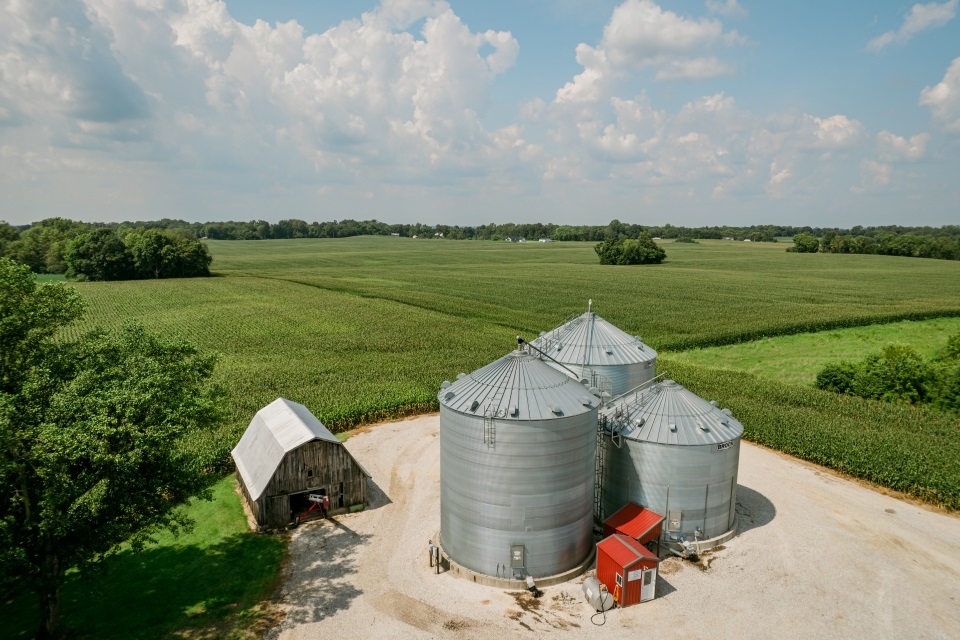
- Grain bins
- Machine sheds
- Barns
- Drainage systems
- Fencing
- Irrigation systems
- Farm shops
- Storage facilities
These investments can improve operational performance while increasing the value of agricultural property.
6. Farm Vehicle Loans
Many agricultural operations depend on trucks, utility vehicles, trailers, and transportation equipment.
- Farm trucks
- Utility vehicles
- Work vehicles
- Transportation equipment used for agricultural purposes
This type of financing allows producers to maintain the transportation resources necessary to support daily operations.
7. Agricultural Leasing
Leasing can provide another financing option for equipment and facilities without requiring full ownership upfront.
Benefits of Leasing
- Lower initial costs
- Flexible terms
- Access to updated equipment
- Improved cash flow management
For certain operations, leasing may be a cost-effective alternative to traditional purchasing.
Who Can Qualify for Agricultural Loans?
Farm financing is available to a wide variety of agricultural borrowers.
Eligible borrowers often include:
- Beginning farmers
- Established farming operations
- Crop producers
- Livestock producers
- Part-time farmers
- Agricultural investors
- Expanding farm businesses
How to Choose the Right Agricultural Loan
Selecting the right loan starts with understanding your specific goals.
Consider the following questions:
What are you financing?
What repayment schedule works best?
Agricultural lenders often offer repayment schedules aligned with seasonal cash flow. Annual payments may work better for some operations than monthly installments.
How long will the asset be used?
The lifespan of the asset should generally align with the financing term.
What collateral is available?
Many agricultural lenders accept:
- Farmland
- Equipment
- Livestock
- Inventory
as collateral for financing.
Benefits of Agricultural Loans
Agricultural financing offers several important advantages.
Flexible Payments
Many loan structures are designed around agricultural production cycles rather than traditional monthly business schedules.
Access to Growth Capital
Loans provide the capital necessary to expand acreage, increase production, modernize equipment, and invest in infrastructure.
Improved Cash Flow
Financing allows producers to preserve working capital while investing in growth opportunities.
Long-Term Business Stability
Strategic financing can help agricultural operations remain competitive and profitable for decades.
Frequently Asked Questions About Agricultural Loans
What types of agricultural loans are available?
Common agricultural loan types include:
Each loan is designed to support a specific aspect of an agricultural operation.
What credit score do I need for a farm loan?
There is no universal minimum credit score required for farm financing.
Many lenders evaluate:
- Credit history
- Farm income
- Cash flow
- Collateral
- Farm management experience
- Overall financial health as measured by an operation's balance sheet
Generally, borrowers with stronger credit profiles may qualify for more favorable rates and terms, but agricultural lenders often consider the entire operation rather than relying solely on a credit score.
How much can I borrow for a farm loan?
Borrowing limits vary significantly depending on:
- Income
- Farm profitability
- Collateral value
- Loan purpose
- Existing debt obligations
Some
operating loans may be relatively small, while
real estate financing and expansion projects can involve substantially larger amounts. The amount you can borrow ultimately depends on your operation's financial strength and the lender's underwriting guidelines.
Which lenders are best for farm loans?
The best lender depends on your goals and operation.
Many farmers prefer lenders that specialize in agriculture, like Farm Credit Mid-America, because they understand farm cash flow, commodity cycles and production risks.
Can beginning farmers qualify for agricultural loans?
Yes. Many agricultural lenders actively work with
beginning and young farmers. Specialized programs may offer educational resources, financing support, and flexible lending options designed to reduce barriers to entry.
What can a farm loan be used for?
Farm loans can be used for:
How long do farm loans last?
Loan terms vary depending on the purpose.
Generally:
- Operating loans are shorter-term.
- Equipment loans often range from several years.
- Real estate loans typically offer the longest repayment periods.
The appropriate term depends on the projected useful life of the asset being financed.
How do I apply for an agricultural loan?
Most lenders require:
- Personal information
- Income documentation
- Farm financial information
- Desired loan amount
- Information about collateral
- Business or farm operation
You can start by applying online for an agricultural loan from Farm Credit Mid-America.
Agricultural loans are essential financial tools that help farmers purchase land, finance equipment, acquire livestock, manage operating expenses, and invest in the future of their operations. Unlike traditional business financing, farm loans are designed around the unique realities of agriculture, including seasonal cash flow, production cycles and long-term land investments.
Whether you're a beginning farmer buying your first acreage or an established producer expanding your operation, understanding the different types of agricultural loans can help you identify the financing solution that best supports your goals and positions your farm for long-term success.
*Loans and leases subject to credit approval and eligibility. Additional terms and conditions may apply. Farm Credit Mid-America is an equal opportunity lender.
‡Farm Credit Mid-America is an equal opportunity provider.