
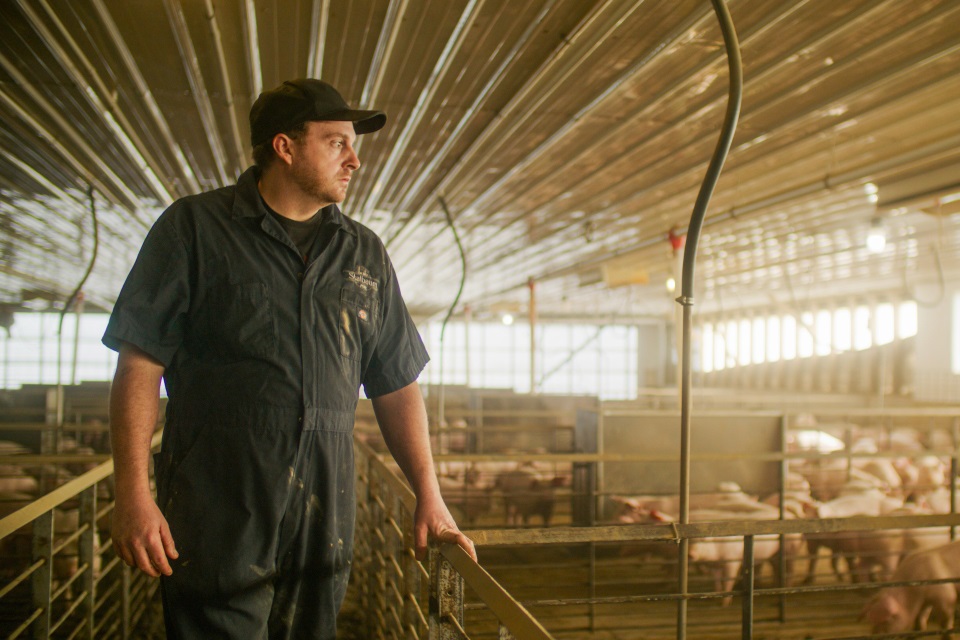
Building a poultry or hog barn?
Poultry barn financing and hog barn financing can open the door to steady income, but it’s not a one‑size‑fits‑all decision. Farm Credit Mid-America provides flexible financing solutions for contract growers building or expanding poultry or hog barns in Arkansas, Indiana, Kentucky, Missouri, Ohio and Tennessee.
Download our Decision Workbook
Is building a contract grower barn the right next step?
Adding a poultry or hog barn can mean steady income, long-term contracts and growth without more acres. But there's more to it than that. As a farmer-owned lender, Farm Credit Mid-America provides more than financing for poultry and hog barns. We help you look at the full picture so you understand what this means for your operation today and for the long haul.
We see the whole picture.
Experience that matters.
We've helped more than 800 growers navigate poultry barn and hog barn financing across all types of operations over the last 6 years.
Straightforward support, start to finish.
From questions to closing, we help you think it through, test the numbers and move forward when you're ready.

Why Choose Farm Credit Mid-America to Finance Your Contract Grower Barn?
When financing a poultry or hog barn, you need more than capital. You need a lender who understands contract grower operations.
Farm Credit Mid-America helps contract growers finance new builds, refinance existing barns, expansions and facility upgrades with confidence.
- Financing for poultry barns, hog barns and contract grower facilities
- Experience working with experienced, as well as beginning growers contracted with a variety of different integrators
- Loan structures aligned with production contracts and cash flow cycles
- One-time closing for new builds
- Insights on construction costs, ROI and expansion considerations
- Support from a locally based agricultural lending team
Let's See Where Your Operation Stands
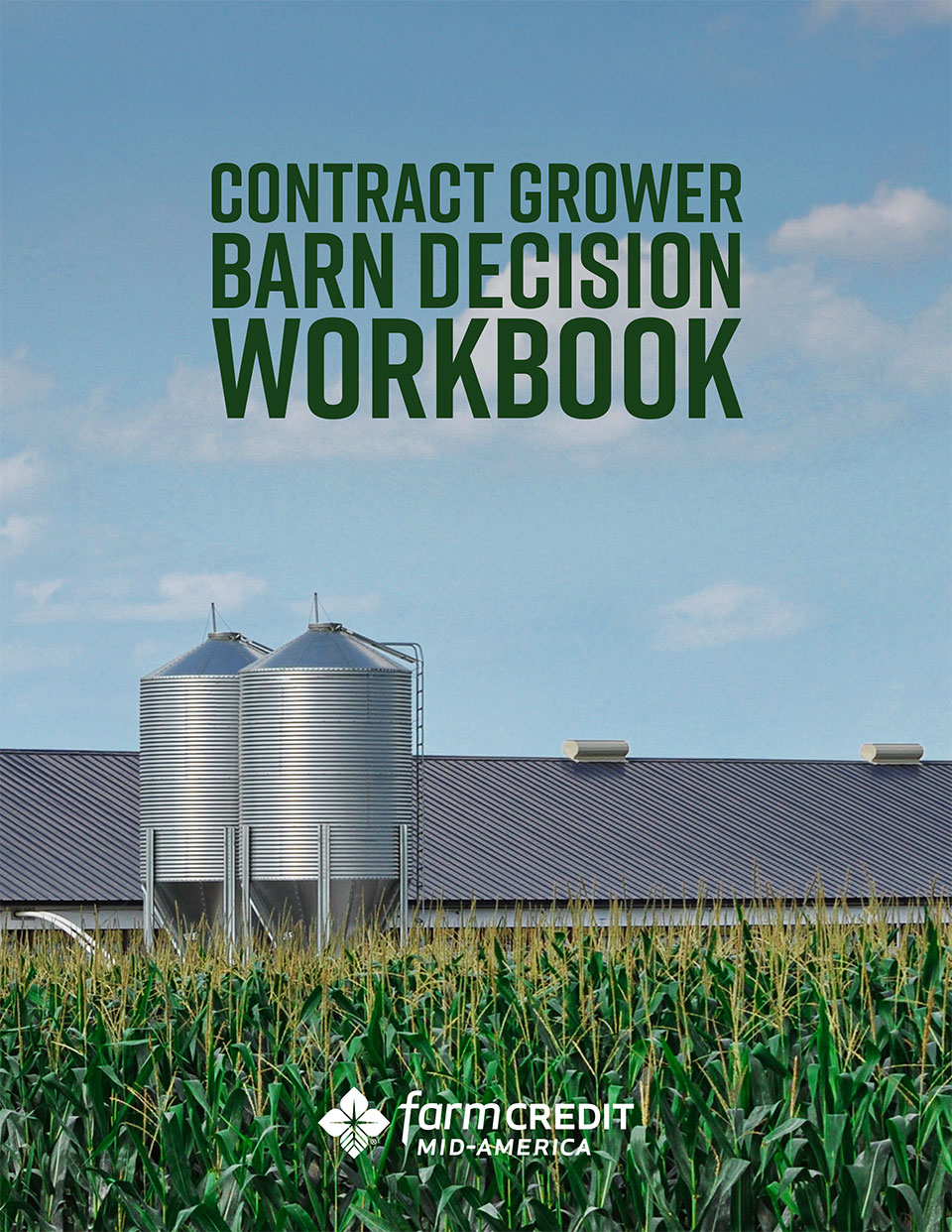
Is your operation ready for contract grower barns?
If you’re considering poultry barns or hog barns, start by getting a clearer picture of where you stand. Download our workbook to work through your financials, labor needs and overall readiness before you make a big investment decision.
Inside the workbook, you’ll find:
- A quick readiness assessment to see if poultry or hog barns fit your operation
- A simple way to test your numbers like cash flow, costs and financing needs
- Key questions to help you evaluate contracts, labor and long-term risk
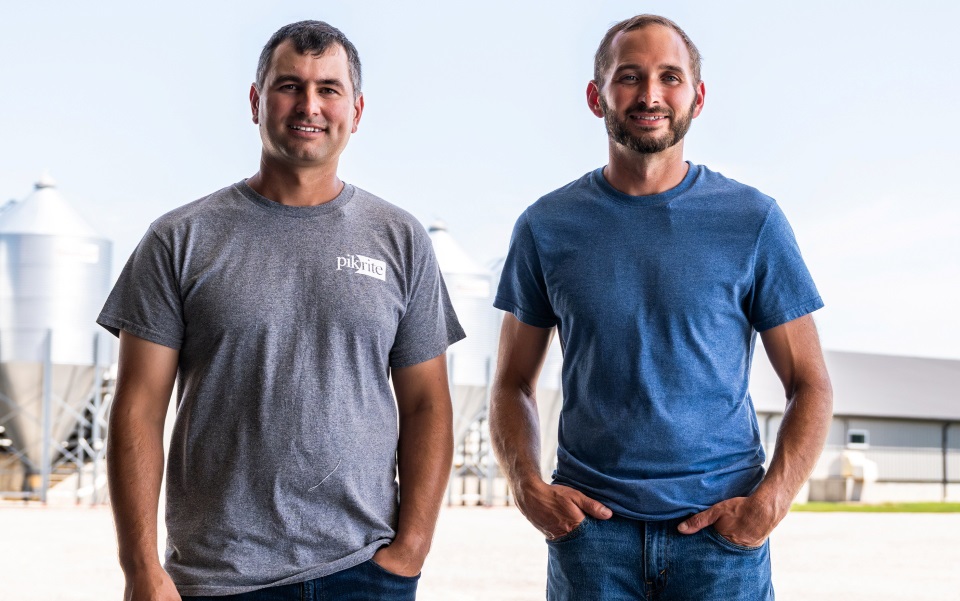
Farm Credit Mid-America wants to see us succeed and to see us pass this on. We know we have to keep expanding to give the next generation options to come back.
Understand the Numbers Behind Expansion


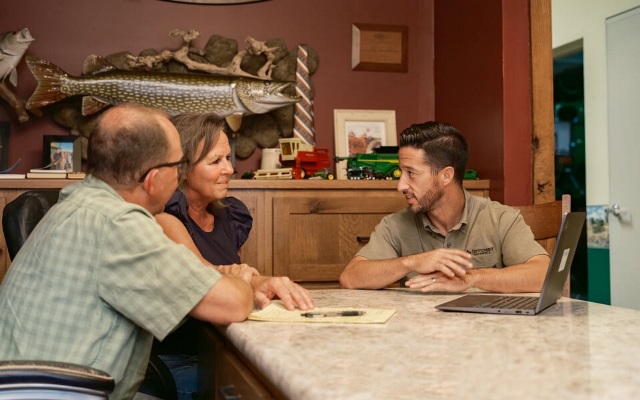
Common Questions About Financing Poultry and Hog Barns
The cost to build poultry barns or hog barns can vary widely based on the number of barns, barn size, site preparation, equipment, utility needs and integrator requirements. Before you move forward, it’s important to build a full project budget that includes more than construction costs. You’ll also want to factor in land improvements, permits, equipment, insurance, working capital and potential cost overruns.
A lender experienced in poultry barn financing and hog barn financing can help you understand the full cost of the project and whether the investment fits your operation.
Financing for contract grower barns is typically based on the full picture of your operation, not just the barn project itself. Lenders will usually look at your cash flow, balance sheet, working capital, existing debt, contract terms and long-term repayment ability.
Because poultry barns and hog barns are major investments, the right financing structure matters. A strong loan plan should support the project while still leaving your operation with enough flexibility for everyday needs and unexpected expenses.When evaluating poultry barn financing or hog barn financing, lenders often look at:
- Your current financial position
- Projected cash flow from the barns
- Existing debt and repayment history
- Working capital and liquidity
- Contract terms with the integrator
- Construction budget and cost estimates
- Your ability to manage labor, maintenance and operating costs
The stronger your financial records and projections are, the easier it is to understand whether the project can support the debt.
In most cases, having a clear understanding of the integrator agreement is an important part of the financing conversation. Your contract helps show projected income, payment structure, expectations and potential risks.
Even if your contract is not finalized yet, it can be helpful to talk with a lender early. That way, you can understand what financing may require before you get too far into the process.
Before applying for poultry barn financing or hog barn financing, it helps to have:
- An up-to-date balance sheet
- Recent tax returns
- Income statements or cash flow records
- Existing loan information
- Project cost estimates
- Integrator contract details, if available
- A basic business plan or expansion plan
If you don’t have everything pulled together yet, that’s okay. A lender can help you understand what’s needed and where to start.
To know whether the project may cash flow, you’ll need to compare expected income against all costs tied to the barns. That includes loan payments, utilities, labor, insurance, maintenance, repairs and downtime between flocks or cycles.
The key question is not just, “Can this make money?” It’s, “Can this project support the debt and still leave enough room for risk, family living and the rest of the operation?”
Working capital is the money your operation has available to cover short-term needs. It matters because even a strong project can create pressure if your operation does not have enough liquidity.
When financing contract grower barns, lenders want to see that your farm has enough cushion to handle out time, cost increases, repairs or changes in income. Working capital helps protect the operation when things do not go exactly as planned.
Possibly. Financing multiple barns depends on your operation’s financial strength, projected income, contract terms, construction costs and overall repayment capacity.
Building multiple contract grower barns can create efficiency, but it also increases debt, management demands and risk. Before committing, it’s important to run the numbers and understand how the full project affects your operation long term.
Before signing, make sure you understand:
- How are payments calculated?
- How long does the contract last?
- What performance standards are required?
- What expenses are your responsibility?
- Does the contract support your financing plan?
Your contract plays a major role in whether poultry barns or hog barns are a good fit for your operation.
Contract grower barns can be one way to diversify income, but they are not the right fit for every farm. Poultry barns and hog barns can add a more predictable income stream, but they also bring new debt, management responsibilities, labor needs and contract obligations.
The best first step is to evaluate how the barns fit your full operation, not just the income opportunity.
Some common risks include:
- Construction costs coming in higher than expected
- Cash flow being tighter than projected
- Contract terms changing over time
- Utility, labor or repair costs increasing
- Downtime between production cycles
- Taking on too much debt too quickly
A good financing conversation should include these risks upfront, so you can decide whether the project still works under less-than-perfect conditions.
The earlier, the better. You don’t have to wait until you’re ready to apply. Talking with a lender early can help you understand what the project may require, what financial information you’ll need and whether your operation is positioned for poultry barn financing or hog barn financing.
A lender who understands contract grower barns can help you think through the numbers before you make a major investment decision.
Farm Credit Mid-America helps farmers look at the full picture before financing contract grower barns. That means evaluating your operation, reviewing projected cash flow, understanding contract terms and helping structure financing that supports your long-term goals.
Whether you’re just starting to explore poultry barns or hog barns, or already talking with an integrator, we can help you understand your options and decide what makes sense for your farm.
Discuss Your Contract Grower Financing Options
Discuss Your Contract Grower Financing Options


* Loans and leases are subject to credit approval and eligibility. Additional terms and conditions may apply. Farm Credit Mid-America is an equal opportunity lender.
† Patronage is an annual decision made by the Board of Directors to return earnings to eligible customers. To learn more about patronage or patronage eligibility, please visit our Patronage page.
You May Be Interested In
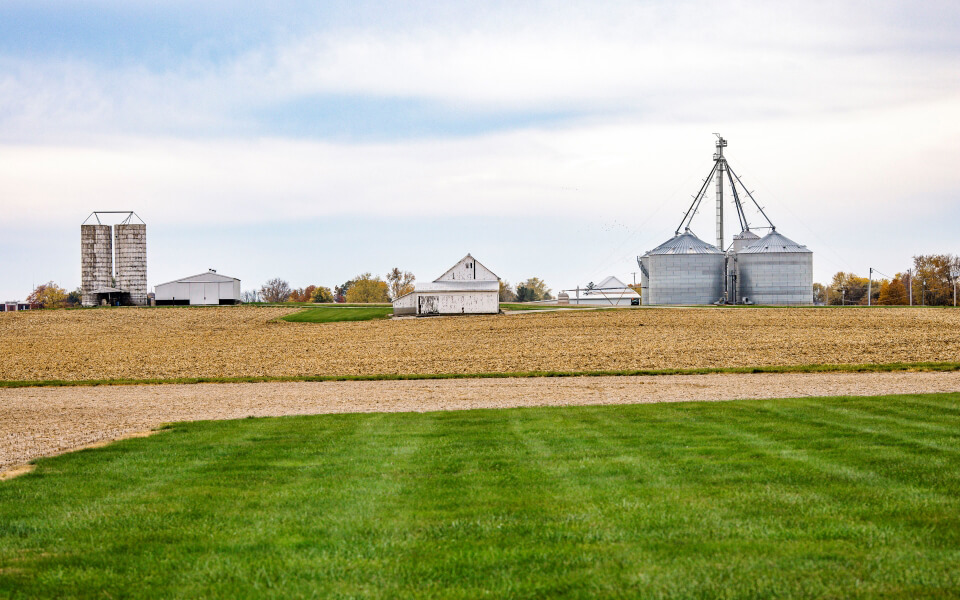
Agricultural Loans
A range of loans designed with your operation in mind.
Young & Beginning Farmers
Equipping the next generation with the resources and financial skills they need.
Patronage Program
More than $1.75 billion back in our customers’ wallets over the last 10 years.†
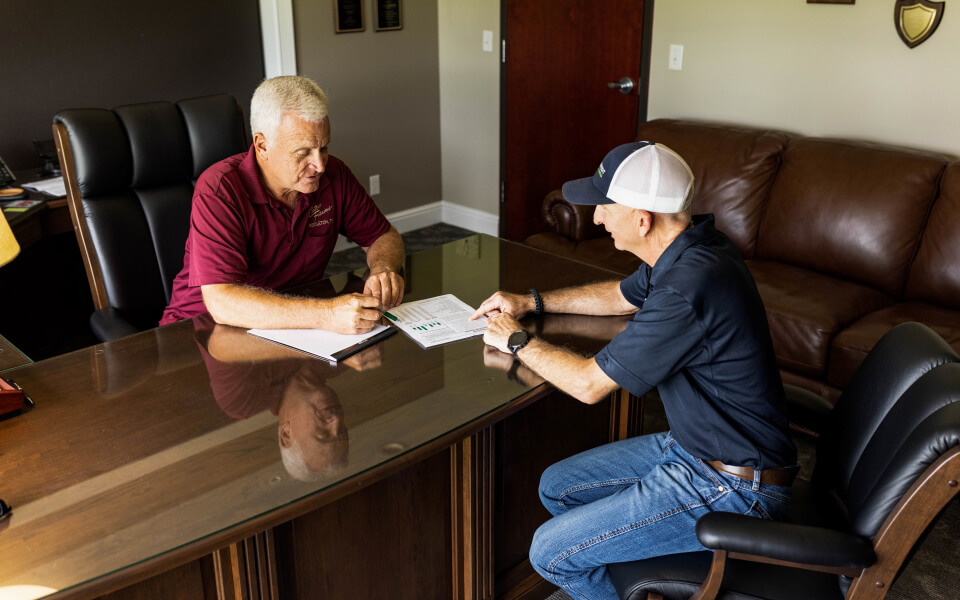
Balance Sheet Knowledge Hub
Learn how to create and analyze a farm balance sheet.
